Selling an addiction treatment center is a major undertaking that requires thorough preparation and a strategic approach. Whether your goal is retirement, exploring new opportunities, or transitioning leadership to a successor, careful planning is crucial.
This guide outlines the essential steps of the process, including analyzing market conditions, determining an accurate valuation, crafting an effective marketing strategy, and managing the sale through to completion.
Handled properly, this transition can protect the legacy you’ve built while ensuring the facility continues to thrive under new leadership.

Key Takeaways
The Importance of Selling an Addiction Treatment Center
Selling an addiction treatment center is a multifaceted process that necessitates a comprehensive understanding of the addiction treatment industry, current market trends, and effective marketing strategies that appeal to potential buyers.

As the demand for drug rehabilitation centers continues to increase, it is imperative for facility owners to adeptly navigate this competitive market.
Establishing a unique selling proposition that emphasizes the strengths of the center and its treatment programs is essential.
Furthermore, ensuring compliance with licensing requirements and HIPAA regulations can significantly enhance the center’s market value and attract serious buyers.
Preparing to Sell
Evaluating the current market for addiction treatment centers is an essential component of the selling process, as it yields valuable insights into demand, competition, and pricing strategies within the addiction treatment industry.
A comprehensive understanding of market dynamics enables facility owners to position their establishments effectively and identify potential opportunities for growth or improvement.

Preparing to sell an addiction treatment center necessitates a comprehensive market analysis, which entails evaluating the current landscape of the addiction treatment industry and examining the financial records that reflect the center’s performance.
This foundational step enables owners to accurately assess the value of their facility and establish clear selling objectives that align with market expectations. Given the increasing demand for effective drug rehabilitation marketing, it is essential to identify the distinguishing features of the center in order to remain competitive in the market.
Evaluate the Current Market
Evaluating the current market for addiction treatment centers is an essential component of the selling process, as it yields valuable insights into demand, competition, and pricing strategies within the addiction treatment industry.
A comprehensive understanding of market dynamics enables facility owners to position their establishments effectively and identify potential opportunities for growth or improvement.

By leveraging marketing statistics, owners can assess the viability of their center within the contemporary landscape and make informed decisions.
To conduct a thorough analysis of the competitive market, it is necessary to consider a variety of factors, including an extensive competitor analysis that identifies other drug rehabilitation centers in the vicinity, their services, and their pricing models.
Utilizing marketing statistics from authoritative sources like MarketWatch and the Bureau of Labor Statistics can provide a more nuanced understanding of trends in the addiction treatment industry.
Additionally, understanding local market trends, such as fluctuations in substance abuse prevalence and the emergence of new therapeutic approaches, provides crucial context.
Furthermore, assessing patient demographics—such as age, gender, and socioeconomic status—allows owners to tailor their offerings and outreach strategies effectively.
This tailored approach ultimately enhances the center’s appeal and contributes to improved patient outcomes.
Assess the Value of Your Center
Evaluating the value of an addiction treatment center necessitates a thorough examination of financial records, operational performance, and the distinctive characteristics that influence its market value.
Critical factors include the quality of treatment programs, the expertise of professional staff, and the center’s reputation within the community, all of which significantly contribute to its overall worth.
Facility owners should also contemplate the potential for future revenue, taking into account trends in addiction recovery and the demand for residential rehabilitation services.
To accurately ascertain this value, various valuation methodologies can be utilized. The income approach emphasizes the facility’s capacity to generate future income, incorporating revenue streams from treatment programs and ancillary services.
The market approach involves comparing the center to analogous facilities in the region, providing insights into prevailing market conditions and pricing strategies.
Conversely, the cost approach assesses the total expenses associated with constructing or replacing the facility, ensuring comprehensive accounting of all assets. This approach is particularly relevant in states like California, Colorado, and Nevada, where real estate costs can significantly impact market value.
In each of these methodologies, the maintenance of meticulous financial records is essential, as they furnish the necessary data to support each valuation method.
Determine Your Selling Goals
Determining selling goals is crucial for guiding the entire process of selling an addiction treatment center, as it establishes the desired outcomes, timelines, and strategies for engaging potential buyers.
Clearly defined goals facilitate a more focused marketing strategy, enabling owners to tailor their drug rehabilitation marketing efforts to attract the appropriate patient demographic while adhering to ethical marketing practices.

By articulating these objectives, addiction treatment centers can more effectively analyze market trends and consumer behaviors, resulting in enhanced outreach efforts.
The significance of well-established selling goals becomes apparent, as they provide a framework for aligning marketing initiatives with desired outcomes, ensuring that resources are allocated efficiently.
When centers concentrate on specific patient demographics, they can develop messaging that resonates with their target audience. This approach not only enhances engagement but also fosters trust, all while upholding a commitment to ethical practices in drug rehabilitation marketing.
Ultimately, possessing a clear vision of selling goals can streamline the process and maximize the overall effectiveness of marketing strategies.
Thinking about selling your business?
Your business exit awaits →
Marketing Your Addiction Treatment Center
Effectively marketing an addiction treatment center is essential for attracting potential clients and highlighting the unique features of the facility. Partnering with marketing companies that specialize in addiction treatment can enhance brand awareness and ensure compliance with ethical marketing practices.
A well-rounded marketing strategy that incorporates both digital marketing and traditional advertising methods will significantly enhance brand awareness and reach a targeted audience seeking addiction treatment options.
By employing social media marketing and outreach initiatives, center owners can cultivate community engagement and connect with local populations to emphasize their addiction recovery programs.
Identify Your Target Audience
Identifying the target audience is a critical component of any successful marketing campaign for addiction treatment centers. This process enables facility owners to tailor their messaging and outreach efforts to effectively address the specific needs of potential patients and their families.
By examining various demographics, including age groups, socioeconomic statuses, and cultural backgrounds, addiction treatment centers can refine their strategies to meet unique treatment needs.

For example, younger individuals may respond more favorably to digital marketing tactics that leverage social media platforms, while older demographics might prefer traditional outreach methods.
Recognizing these distinctions not only strengthens connections with potential patients but also increases the likelihood of their engagement with the center.
Additionally, understanding the specific substance abuse issues prevalent in different communities allows drug rehabilitation centers to offer specialized programs, ensuring the provision of the most relevant and impactful support for individuals embarking on their recovery journey.
Utilize Digital Marketing Strategies
Utilizing digital marketing strategies is essential for addiction treatment centers to effectively engage their target audience and enhance their online presence.
The implementation of a well-structured SEO strategy can significantly improve visibility on search engines, thereby driving traffic to the rehabilitation center’s website and increasing inquiries.
Additionally, optimizing the Google Business Profile ensures that potential patients can easily locate the center and access critical information regarding treatment programs and available services.

Such optimization is aligned with best practices endorsed by the American Marketing Association.
In conjunction with SEO, content marketing plays a crucial role in establishing trust and authority within the addiction treatment sector.
By producing informative blogs, articles, and videos, the center can offer valuable resources that resonate with individuals seeking assistance.
Furthermore, strategic online advertising through platforms such as Google Ads and social media enables targeted outreach to specific demographics, ensuring that the message effectively reaches those in need.
This outreach is crucial for addressing the needs highlighted by organizations like the Substance Abuse and Mental Health Services Administration (SAMHSA).
A high-converting website, characterized by user-friendly navigation and persuasive calls-to-action, is vital for converting visitors into patients.
Additionally, maintaining a positive online reputation through reviews and testimonials enhances trustworthiness, rendering the center a more appealing option for individuals seeking recovery.
Network with Other Treatment Centers
Networking with other treatment centers presents valuable opportunities for collaboration, referrals, and community building within the addiction treatment industry.
Establishing relationships with other drug rehabilitation centers facilitates the sharing of knowledge, resources, and best practices, ultimately enhancing overall service delivery and patient care.

Such collaborations also enable outreach marketing efforts that can extend the reach of both facilities, benefiting all parties involved.
These connections provide access to a broader network of services, including specialized therapies and community resources, which can significantly enrich a patient’s recovery journey. Through collaborative community events, educational workshops, and support groups, stakeholders within the addiction treatment community can develop a support system that give the power tos individuals seeking assistance.
This approach not only fosters individual recovery but also promotes a holistic understanding of the recovery process that transcends the boundaries of individual facilities.
Moreover, by engaging in outreach marketing, treatment centers can effectively raise awareness about addiction-related issues, bridging the gap between potential clients and the resources available. This effort ultimately contributes to fostering a healthier community overall.
Utilize Traditional Advertising Methods
While digital marketing plays a vital role in the promotion of addiction treatment centers, the utilization of traditional advertising methods remains an essential component in effectively reaching target audiences.
Strategies such as print advertising, local radio promotions, and community outreach programs can engage a wider audience and enhance awareness of available substance abuse treatment options within the community.
These traditional methods can complement digital strategies, thereby creating a comprehensive marketing approach that addresses various demographic segments.

For example, print advertisements in community newsletters or local newspapers serve as an effective means of informing families about nearby treatment services. Similarly, radio spots can engage listeners during their daily commutes, increasing familiarity with the treatment center’s services.
Additionally, active participation in local health fairs and the hosting of informational workshops help to strengthen relationships within the community, facilitating access to essential resources for individuals in need.
Furthermore, word-of-mouth referrals generated through these traditional channels can hold considerable influence, as personal experiences shared in community contexts resonate more profoundly than digital advertisements alone.
In summary, the integration of these established methods with innovative digital campaigns not only expands outreach but also fosters trust and credibility among potential clients.
Thinking about selling your business?
Your business exit awaits →
The Selling Process
The selling process for an addiction treatment center encompasses several critical steps that facilitate a seamless transition from owner to buyer, ultimately optimizing the value of the drug rehabilitation facility.
This process begins with identifying a buyer who aligns with the values and vision for the center, followed by negotiating the terms of the sale and finalizing the transaction.
Each step necessitates careful consideration and a comprehensive understanding of the market. Effective communication and strategic planning are imperative for successfully navigating this intricate process.
Finding a Buyer
Finding a buyer for an addiction treatment center necessitates a proactive approach that incorporates both networking and outreach marketing strategies to attract interested parties.
This process may involve reaching out to other rehabilitation business owners, engaging with industry brokers, and leveraging both digital and traditional marketing tactics to maximize visibility.

A well-defined marketing strategy that clearly delineates the center’s unique value proposition is essential for appealing to potential buyers.
By fostering connections within the recovery community, one can establish a robust referral network that encourages word-of-mouth recommendations.
Participation in industry conferences and webinars not only enhances credibility but also facilitates valuable face-to-face interactions with potential buyers.
Employing targeted outreach marketing tactics, such as social media campaigns and email newsletters, can significantly increase the center’s exposure to buyers interested in the addiction treatment landscape.
Additionally, utilizing tools such as buyer databases and listing services can further augment reach, ensuring that qualified prospects are not overlooked in this competitive market.
Negotiating the Sale
Negotiating the sale of an addiction treatment center represents a pivotal phase that entails establishing a mutually beneficial sales agreement between the seller and the buyer, founded on comprehensive market analysis and financial documentation.
This complex negotiation process requires an in-depth understanding of both the operational viability of the center and the broader market landscape.
By utilizing detailed financial records, prospective buyers can evaluate the center’s profitability, patient demographics, and overall revenue streams, all of which are essential for making informed decisions.
It is imperative to maintain patient privacy throughout these discussions, as confidentiality not only adheres to legal standards but also fosters trust in the transaction.
Employing strategic negotiation tactics, such as active listening and the clarification of objectives, can significantly enhance communication.
This approach allows both parties to explore innovative solutions that align with their respective interests and goals.
In conclusion, effective negotiation strategies grounded in robust data and ethical considerations can facilitate a successful transfer of ownership, benefiting all stakeholders involved.
Finalizing the Sale
Finalizing the sale of an addiction treatment center involves fulfilling legal requirements and formalizing the sales agreement to ensure a seamless transition of ownership.
It is essential to consult with legal and financial professionals to navigate the complexities associated with transferring ownership of a rehabilitation facility.

Clear communication between both parties during this phase can facilitate a successful transition and uphold the integrity of ongoing treatment services.
This final stage of the selling process necessitates meticulous attention to detail, particularly in the drafting and review of documents such as the purchase agreement, which delineates the terms of the sale, payment structure, and contingencies.
Additionally, critical disclosures regarding the facility’s licensing, operational history, and any existing liabilities must comply with both local and federal regulations.
Furthermore, both parties should address employee contracts and future staffing plans to ensure continuity of care for clients.
As the transaction approaches closure, ensuring compliance with the legal framework governing addiction treatment centers becomes paramount.
It is imperative that both buyers and sellers are well-informed and adequately prepared to address any potential obstacles that may arise.
Thinking about selling your business?
Your business exit awaits →
Legal and Financial Considerations
A comprehensive understanding of the legal and financial considerations is essential when selling an addiction treatment center, as these factors can profoundly influence both the sale process and post-sale responsibilities.
Legal considerations encompass the necessity of compliance with licensing requirements and an awareness of the current regulations governing the addiction treatment industry. Furthermore, financial implications, including potential tax consequences associated with the sale, must be meticulously assessed to safeguard the interests of both the seller and the buyer.
Consult with a Lawyer
Consulting with a lawyer is a crucial step in navigating the legal considerations associated with the sale of an addiction treatment center. This ensures that all aspects of the sales agreement adhere to local regulations and industry standards.
An experienced attorney can provide invaluable insights into potential legal challenges and assist in structuring the terms of the sale to safeguard your interests. This proactive approach mitigates risks and facilitates a smooth transaction.
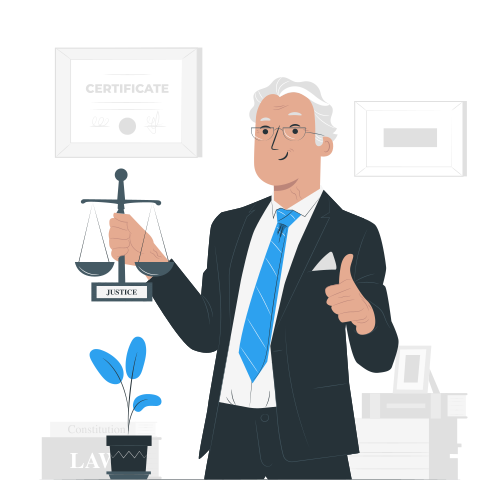
Legal counsel plays a vital role in addressing key areas of focus during the selling process. They ensure compliance with state and federal regulations governing addiction treatment services, guiding sellers through the complexities of licensure and accreditation requirements.
Attorneys are essential in drafting and negotiating contracts, ensuring that all terms are articulated clearly and equitably. They also conduct due diligence, helping to uncover any concealed legal issues that may impact the sale.
By collaborating closely with a legal expert, sellers can gain confidence in their ability to navigate the intricate legal landscape of the addiction treatment industry effectively.
Understand Tax Implications
Understanding the tax implications of selling an addiction treatment center is essential for ensuring preparedness regarding any financial considerations that may arise during the selling process.
Engaging with tax professionals and legal advisors can offer clarity on how the sale will impact tax obligations and potential liabilities.
Engagement with the Substance Abuse and Mental Health Services Administration (SAMHSA) and adhering to licensing requirements further establish credibility and ensure a reputable standing in the addiction recovery field.
Facilities located in areas like California, Colorado, and Nevada can particularly benefit from local marketing strategies and partnerships with organizations like Strategique Partners and VizOwn. Understanding market value and conducting a thorough market analysis are crucial steps for rehab centers aiming to succeed in the addiction treatment industry.
By crafting a unique selling proposition and utilizing behavioral health data, these centers can enhance their marketing campaign efforts and achieve better outreach marketing results. Adopting ethical marketing practices is essential for building community trust, especially in sensitive areas like addiction recovery and substance abuse treatment.
Marketing companies specializing in this niche can provide valuable insights and develop high-converting websites to improve user experience and patient engagement. Incorporating a comprehensive marketing strategy that includes online marketing, content marketing, and email marketing can significantly benefit businesses in various sectors, including drug rehab centers.
Drug rehabilitation facilities that leverage SEO strategies and social media marketing can boost brand awareness and reach their targeted audience effectively. This knowledge gives sellers the power to make informed decisions that align with their financial goals, allowing them to effectively strategize their long-term planning and navigate competitive markets.
It is vital to comprehend elements such as capital gains taxes, which can significantly affect the net profit from the transaction.
Additionally, exploring available tax deductions related to the sale can offer substantial financial relief, leading to a more favorable outcome in diverse markets, including the addiction treatment industry. Thorough preparation, including meticulous record-keeping and an understanding of local tax regulations, ensures that sellers are not confronted with unforeseen liabilities.
Collaborating with experts in financial planning can facilitate a smoother transition and enhance the negotiation position throughout the selling process, ultimately providing peace of mind as ownership transitions occur. This is particularly crucial in fields such as the substance abuse treatment sector, where compliance with HIPAA regulations and patient privacy is required.